

How GTCO’s Zero-Cost Festival Model Is Powering Nigeria’s Food SMEs
By Arikawe Femi, The People’s Voice Nigeria News
In an economy where small businesses often struggle under the weight of high operating costs, limited access to markets, and shrinking consumer spending, opportunities that genuinely lower barriers are rare. Yet, for hundreds of Nigerian food entrepreneurs, the GTCO Food & Drink Festival – Holiday Edition has become more than a festive gathering, it is an economic lifeline.


At the heart of the Festival’s impact is a simple but radical idea: zero-cost participation for vendors. In a sector where stall fees at major lifestyle events can run into hundreds of thousands of naira, GTCO’s model removes one of the biggest obstacles facing small and medium-scale enterprises (SMEs), the cost of entry.
From Thousands of Dreams to 213 Opportunities
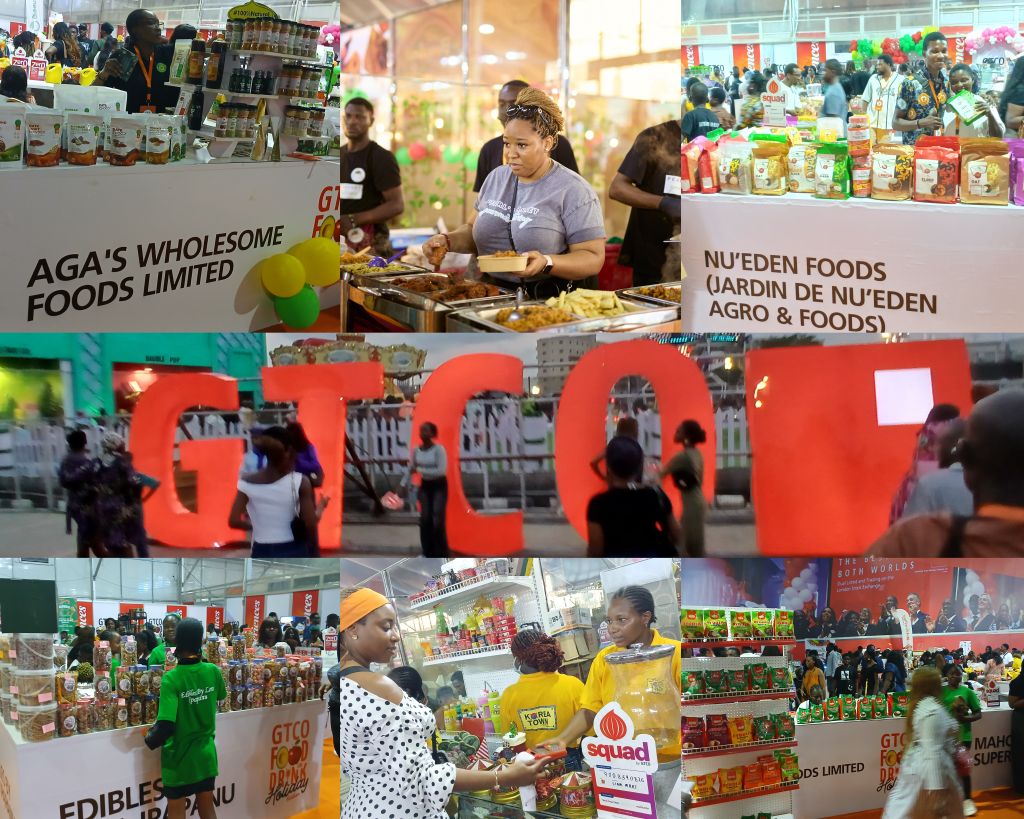
This year’s Holiday Edition attracted over 4,000 applications from food and beverage businesses across Nigeria. From these, 213 Nigerian-owned enterprises were selected, spanning street food vendors, traditional cuisine specialists, modern dessert brands, and emerging beverage startups.
For many of these businesses, selection into the Festival represented access they could not have purchased on their own: premium exposure, large and diverse consumer traffic, and association with a trusted corporate brand, all without paying to participate.
This deliberate approach reflects a shift from charity-based support to enterprise enablement, where SMEs are given platforms, not handouts.

Turning Visibility into Revenue
The timing of the Festival during the peak holiday season amplifies its economic value. With increased consumer spending and family outings, vendors are positioned to generate significant sales within a short window. Beyond immediate revenue, the Festival offers something equally valuable: visibility.
For small food businesses, brand exposure can be transformative. Vendors interact directly with thousands of customers, gather real-time feedback, attract repeat buyers, and, in many cases, secure wholesale and catering leads that extend well beyond the event.
Several vendors describe the experience as a turning point, moving from obscurity to recognition almost overnight. Social media mentions, word-of-mouth referrals, and media coverage further extend their reach, helping small brands punch far above their weight.
Empowering People, Not Just Products
What makes the impact of the Festival particularly compelling is the human story behind the numbers. Many of the participating SMEs are women-led and youth-driven enterprises, often started from home kitchens or small rented spaces. For these entrepreneurs, access to a large, well-organised platform validates their work and fuels confidence to scale.


By removing participation fees, GTCO ensures that selection is based on quality and potential, not financial capacity. This levels the playing field in a sector where talent often exists without opportunity.
Rethinking Corporate Social Responsibility
GTCO’s approach challenges traditional notions of corporate social responsibility. Rather than one-off donations or short-term philanthropy, the Festival demonstrates how private-sector initiatives can create sustainable economic value.
The zero-cost vendor model allows SMEs to reinvest earnings into production, staffing, packaging, and business expansion. In doing so, the Festival contributes to job creation, skills development, and local supply chains—key components of economic resilience.
This model also aligns with broader conversations around inclusive growth, where access to markets is as important as access to finance.
Beyond a Festival, a Platform
While the GTCO Food & Drink Festival is festive in atmosphere, its long-term significance lies in what it represents: a scalable platform for SME growth. Each edition strengthens a network of food entrepreneurs who return better prepared, more visible, and more competitive.
As Nigeria continues to search for pathways to economic diversification and youth employment, initiatives that empower small businesses at scale deserve closer attention. GTCO’s Festival offers a compelling case study of how corporate intervention, when thoughtfully designed can unlock real economic impact.
In powering Nigeria’s food SMEs, GTCO is not just hosting a festival. It is building an ecosystem, one vendor, one customer, and one opportunity at a time.
